NATO Jets Intercept Russian Missiles Over Poland: Why the Trigger Wasn't Pulled
During a Russian strike on Ukraine, several missiles breached Polish airspace, but a Swedish Gripen pilot declined to fire due to poor visibility and identification issues.
 🛡️Security
Photo: TSN
Key points
- Three Russian aerial objects breached Polish airspace at 800+ km/h
- Swedish Gripen pilot identified target but could not confirm due to weather
- NATO's CAOC in Germany provided decision-making autonomy to pilots
- Ukraine's 'Virage' system provided critical early warning data to Poland
During a recent large-scale Russian aerial assault on Western Ukraine, several high-speed targets violated the sovereign airspace of neighboring Poland. On the night of November 20, the Polish military scrambled F-16 fighters from the Łask airbase, supported by Swedish Gripen jets and NATO surveillance aircraft. Despite being granted authorization to engage and destroy the incoming threats, the intercepting pilots did not discharge their weapons, a decision later clarified by military officials.
Identification Challenges in Adverse Weather
Lieutenant General Ireneusz Nowak, Operational Commander of the Polish Armed Forces, stated that a Swedish Gripen pilot successfully intercepted a Russian Kh-101 cruise missile but was unable to confirm its identity due to "extremely difficult weather conditions." The lack of visual confirmation and the failure of on-board electro-optical systems to provide a clear signature meant that the strict criteria for weapon engagement were not met.
"No weapons were used tonight because not all conditions for the employment of the weapon system were fulfilled," General Nowak explained.
NATO protocols require absolute certainty before an object can be shot down in civilian-populated areas to prevent tragic errors. In this instance, the risk of misidentifying the target outweighed the immediate necessity of kinetic interception, highlighting the operational constraints even advanced air forces face during nighttime operations in poor visibility.
Regional Impact and NATO Coordination
Polish radar systems tracked a total of 11 objects, three of which entered Polish territory at speeds exceeding 800 km/h. These were identified as either Kh-101 cruise missiles or advanced "Geran-5" jet-powered drones. The operation involved a high level of international cooperation, including a Dutch MRTT tanker and a Saab 340 AEW&C aircraft, all coordinated by NATO’s Combined Air Operations Centre in Germany.
The incident underscores the dangerous proximity of the conflict to NATO borders. While no casualties were reported, debris from the Russian projectiles caused explosions in several Polish localities. Polish Prime Minister Donald Tusk described the incursion as a "deliberate provocation," while NATO Secretary General Mark Rutte called the violation "dangerous and serious." For the international community, this event serves as a stark reminder of the volatile nature of the current security environment in Eastern Europe.
Source TSN — tsn.ua/politika/rosiyski-rakety-nad-polshcheiu-pilot-vynyshchuvacha-mav… ↗
Read next
 🇺🇦Ukraine
Belgium's airspace to close due to nationwide air traffic controllers' strike
On November 23, Belgium's airspace will be fully paralyzed as air traffic controllers join a nationwide protest against austerity measures.
 🎓Education
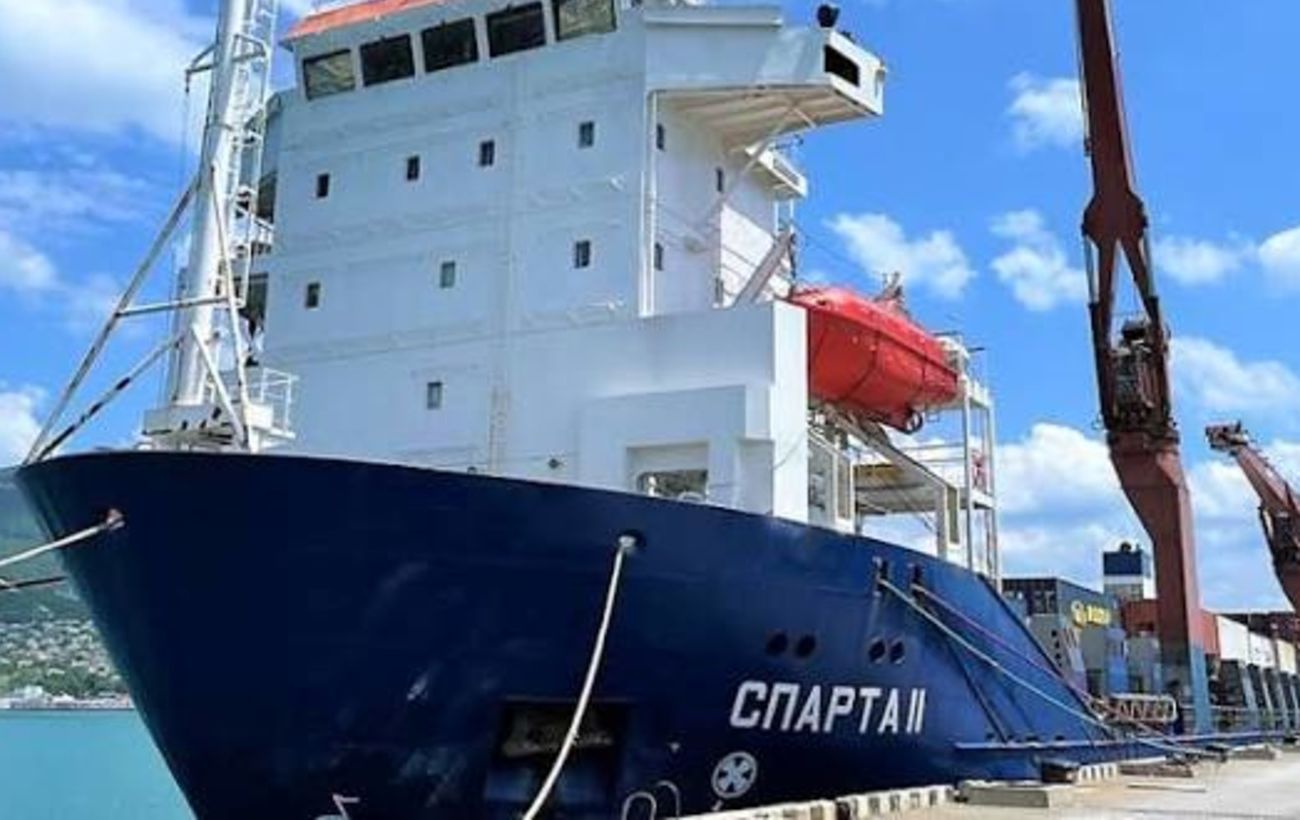
Russian Vessel Sparta II Still on Fire in the Gulf of Finland Following Drone Attack
Rescue teams in Finland continue battling a fire aboard the Russian cargo ship Sparta II, which drifted into Finnish waters after being struck by Ukrainian drones.
 🎓Education
How to Restore the Softness of Terry Towels: A Simple Home Method
A step-by-step guide on how to bring back the fluffiness of old terry towels using common household ingredients.
 🎓Education
Aftermath of the Dymer Attack: 14 People Missing After Overnight Drone Strike
An overnight Russian drone strike on an apartment building in Dymer, Kyiv region, caused a partial collapse and fire, leaving fourteen people unreachable.
 🧠AI Analysis
The Art of Repair: Why Everyday Infrastructure Maintenance Defines Community Resilience
An exploration of how the hidden labor of repair workers and utility crews underpins the survival and stability of Ukrainian communities during ongoing crises.
 🧠AI Analysis
Behind the scenes of European tours: Producer Serhii Chudaiev on challenges of Ukrainian theatre abroad
Organizing theatre tours for Ukrainian artists in Europe involves complex logistics, force majeure events, and shifting audience demands.